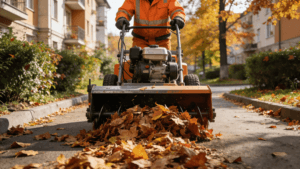

1. Leaf Blower: The “Light Cavalry” of Course Cleaning
Golf courses have expansive lawns, winding paths, and elegant landscapes. When covered in fallen leaves or dead branches, they lose their appeal—and can even block ball positions or mislead players. Manual cleaning is slow and tiring, which is why leaf blowers are a game-changer for maintenance teams.
On fairways, leaf blowers quickly clear scattered leaves, weeds, and small dead branches—no bending or repetitive sweeping needed. They restore lawns to a smooth, clean state in minutes, so players can swing without debris getting in the way. Greens and bunker edges need a gentler touch: adjustable airflow lets leaf blowers precisely clean these areas, keeping crumbs out of bunkers and preserving the green’s delicate surface.
They also work wonders on rest pavilions, parking lots, and landscape belts, keeping the entire course consistently tidy. In winter, they double as light snow removers, clearing fairways and paths to keep maintenance on track. Leaf blowers are truly versatile for course cleaning.
2. Log Splitter: The “Hardcore Leader” in Thick Branch Handling
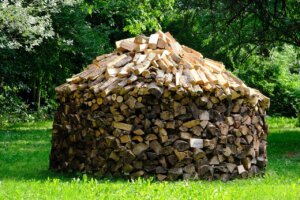
Golf courses are lined with trees and shrubs, which need regular pruning to maintain their shape and keep players safe. But the thick branches and trunks from pruning are bulky and heavy—hard to handle manually. Manual splitting wastes time and energy, and messy piles ruin the course’s look (and pose safety risks). That’s where log splitters come in.
Log splitters efficiently turn thick branches and trunks into uniform firewood, cutting labor costs and making wood reusable. This firewood heats clubhouses, staff dorms, and rest pavilions—energy-efficient and eco-friendly, adding warmth to the course in fall and winter. Unused firewood, now smaller in size, is easy to transport and store, so it doesn’t take up valuable course space.
After storms or typhoons, fallen trees can disrupt the course. Log splitters quickly break down these trees for easy removal, helping the course get back to normal fast and minimizing storm damage. They’re the go-to tool for both daily thick branch handling and emergency cleanups.
3. Branch Shredder: The “Refined Expert” in Thin Branch Handling
While log splitters tackle thick branches, branch shredders specialize in refining thin branches and mixed wood. They turn course waste into a valuable resource, blending environmental protection with top-tier maintenance—critical for a well-kept golf course.
Thin branches, twigs, and dead wood from shrub and small tree pruning are turned into fine wood chips by shredders. These chips aren’t trash—they’re a maintenance staple. Spread on fairways and around greens, they retain moisture, suppress weeds, reduce water loss, and break down over time to enrich soil, keeping lawns lush and green.
They also make excellent compost for flower beds and landscape belts, promoting waste recycling and eco-friendly maintenance. Plus, shredders clear scattered thin branches quickly, keeping fairways and paths clutter-free for a better golfing experience and a polished course appearance.
4. Small Farm Dumper: The “Efficient Ferry” for Material Transportation
Golf courses are large, with fairways, greens, landscape areas, and maintenance zones spread out. Many paths are narrow, so large transport vehicles can’t reach them—making material transport a major maintenance headache. Manual carrying is slow and labor-heavy, but small farm dumpers solve this problem effortlessly.
Compact and maneuverable, these dumpers glide through narrow spaces like fairway edges and landscape belts. They efficiently transport lawn care supplies (fertilizer, substrate, sand), leaf and wood chips from blowers and shredders, and thick pruned branches—all in one trip. Their self-unloading feature eliminates manual lifting: just deliver materials to the spot and unload with a click, cutting labor costs and speeding up transport.
Beyond transport, they assist with site maintenance: hauling building materials for road and landscape repairs, moving small tools like lawn mowers and irrigation equipment, and even delivering clubhouse supplies. They’re a versatile “efficient ferry” that streamlines every aspect of course maintenance.
Conclusion: Professional Equipment Guards Every Perfect Swing
A golf course’s beauty and cleanliness don’t happen by chance—they come from hardworking maintenance teams and reliable professional equipment. Leaf blowers keep it clean, log splitters tackle thick branches, branch shredders enable eco-friendly care, and small farm dumpers boost transport efficiency. Together, these four tools handle maintenance pain points, letting every golfer enjoy a perfect swing on a clean, polished course.
For course operators, choosing the right maintenance equipment boosts efficiency, cuts labor costs, and enhances the course’s reputation—delivering a better experience for golfers. After all, every perfect swing starts with a clean fairway.